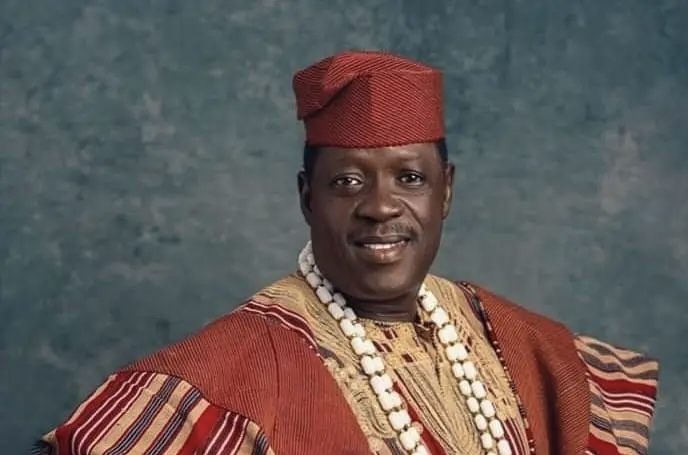
The Nigerian entertainment industry is mourning the loss of Taiwo Hassan, popularly known as Ogogo, one of the familiar faces of Yoruba cinema whose career connected different generations of Nigerian movie lovers.
Ogogo died on Sunday, August 23, 2026, at the age of 66. His death came after a reported battle with stage-four cancer, and news of his passing quickly triggered tributes from colleagues, fans and people across the entertainment industry.
For many Nigerians, however, Ogogo was more than the character they saw on screen. He was part of the era that helped make Yoruba-language movies a major force in Nigerian popular culture.
As his burial takes place in his hometown of Ilaro, Ogun State, here are 10 things that help explain the career, personality and lasting influence of Taiwo Hassan “Ogogo.”
1. Ogogo Built His Name in Yoruba Cinema
When conversations about veteran Yoruba actors begin, Taiwo Hassan’s name naturally belongs among them.
He developed a strong identity within Yoruba-language filmmaking at a time when the industry was becoming increasingly popular with Nigerian audiences.
His commanding presence made him particularly memorable in dramatic, action and traditional roles. He could play characters with authority and intensity, but his long career also showed that he was not restricted to one type of performance.
That versatility helped him remain relevant as Nigerian cinema changed.
2. His Journey Started Before Modern Nollywood
Ogogo’s career was already developing before the Nigerian movie industry reached the form that today’s audiences recognise as Nollywood.
He came from a theatre background and later transitioned into film, giving him the experience of performing for live audiences before becoming a familiar face on television and movie screens.
That background was important because many of the early Yoruba movie stars came through theatre. Their stage experience influenced the expressive acting style that became associated with Yoruba cinema.
Ogogo was one of the performers who successfully carried that tradition into film.
3. He Wasn’t Always an Actor
One of the more interesting parts of Ogogo’s story is that acting was not his first professional path.
He trained as an automobile mechanic and worked with the Lagos State Water Corporation before eventually choosing entertainment as his full-time career.
That transition says a lot about his determination.
He moved from a technical profession into an industry where success was far from guaranteed. Yet acting eventually became the career through which millions of people came to know him.
His journey is a reminder that a person’s first career does not necessarily have to determine where their life eventually leads.
4. “Owo Blow” Was an Important Career Moment
One of the projects frequently associated with Ogogo’s rise is “Owo Blow.”
The film became an important title in Nigerian cinema and featured several performers who would go on to become major names in the industry.
For Ogogo, the movie formed part of the period in which his profile was growing beyond the traditional theatre circuit and into a wider movie audience.
His career would continue to expand from there.
5. He Helped Preserve Yoruba Storytelling
Perhaps one of Ogogo’s most important contributions was his connection to indigenous Nigerian storytelling.
His performances were frequently delivered in Yoruba, allowing audiences to experience stories through language, expressions and cultural references that felt familiar.
That matters because cinema is not only about entertainment. It can also preserve language, traditions, humour, values and ways of life.
Ogogo’s career became part of that cultural record.
Younger Nigerians who discovered his films years later could still encounter elements of Yoruba culture through his performances.
6. He Was Part of the Odunfa Generation
Ogogo was also connected to the Odunfa Caucus, a group associated with the development of Yoruba theatre and film.
His relationship with fellow veteran Yinka Quadri is another important part of that history.
The significance of that generation goes beyond the actors who appeared on screen. They were part of a wider creative network that helped develop performers and strengthen the Yoruba film industry.
This is one reason Ogogo’s legacy cannot be measured only by the number of movies in which he appeared.
He belonged to a generation that helped build an industry for those who came after them.
7. He Continued Appearing Before New Audiences
A veteran actor can easily become associated only with older movies.
Ogogo managed to remain visible to newer audiences as well.
His later work included appearances in “Aníkúlápó” and “Aníkúlápó: Rise of the Spectre,” introducing his performance to viewers who may have discovered Nigerian cinema through newer productions and streaming platforms.
That ability to cross from the older home-video era into modern Nigerian productions says something about his staying power.
He was not simply an actor remembered from the past. He continued to have a place in the evolving Nigerian screen industry.
8. His Screen Presence Was Difficult to Ignore
Ogogo had the kind of screen presence that made characters immediately noticeable.
His voice, facial expressions and physical performance gave his roles a distinctive identity.
For many viewers, this was part of the reason his performances remained memorable long after a movie ended.
He also had a style that worked particularly well in stories involving authority, conflict, family disputes, traditional settings and action.
That recognisable performance style became part of what audiences associated with the name Ogogo.
9. His Final Days Changed the Conversation Around His Life
Ogogo’s death came during a difficult period for his family.
Reports published before and immediately after his death said his family had disclosed that he was battling stage-four cancer and had sought assistance with his medical treatment. He died on Sunday, August 23, according to announcements from colleagues and his family.
The news was followed almost immediately by an outpouring of emotion.
Actors, musicians and fans shared memories of the veteran performer, while many Nigerians reflected on watching him during their childhood years.
The reaction showed that his influence extended far beyond the professional film community.
10. His Legacy Is Bigger Than His Filmography
The easiest way to remember an actor is by listing the movies they appeared in.
But Ogogo’s story is bigger than that.
He belonged to a generation that helped move Yoruba performance from theatre into a growing Nigerian film industry. He represented indigenous storytelling at a time when Nigerian cinema was finding its identity, and he remained active long enough to witness the industry’s transformation into a global entertainment business.
That makes his career particularly significant.
He experienced several eras of Nigerian entertainment—from theatre and early Yoruba cinema to the home-video boom and today’s streaming-driven industry.
Few performers get to witness that much change during one career.
Ogogo’s Final Farewell in Ilaro
Ogogo’s final journey is taking place in Ilaro, Ogun State, his hometown.
A lying-in-state ceremony was scheduled for Monday, August 24, while the burial is being conducted according to Islamic rites. Reports say the ceremony is taking place at the Pavilion in Ilaro.
For a performer whose career was so closely connected to Yoruba culture, returning home for his final farewell carries its own significance.
It brings his story back to the community where his journey began.
Why Nigerians Will Remember Taiwo Hassan
There are actors whose names belong to particular movies.
Then there are actors whose names become part of people’s memories.
For many Nigerians, Ogogo belongs to the second group.
People remember the voice, the characters, the Yoruba expressions, the dramatic scenes and the movies they watched with family members.
His career also represents something bigger: the importance of indigenous Nigerian cinema and the people who spent decades building it.
Final Thoughts
Taiwo Hassan “Ogogo” leaves behind a career that stretched across more than four decades and several generations of Nigerian entertainment.
He was an actor, a storyteller and one of the recognisable faces of Yoruba cinema.
His passing closes an important chapter, but the movies remain. The characters remain. And the memories of the audiences who grew up watching him remain.
Ogogo may have taken his final bow, but his place in Nigerian cinema is not disappearing.