Nigeria and Portugal are moving closer to deeper cooperation in the creative economy, with a planned partnership entering an implementation phase focused on trade, investment, knowledge exchange and international market opportunities.
The development involves the Nigerian Association of Chambers of Commerce, Industry, Mines and Agriculture (NACCIMA) and the Migration Observatory Lab of the Centre for African Studies at the University of Porto, Portugal.
The two sides previously signed a Letter of Intent outlining areas for collaboration, and NACCIMA has now indicated its readiness to move forward with implementation. The next stage is expected to include the development of a joint 12-month work plan, pilot programmes, resource mobilisation and coordinated engagement with relevant stakeholders.
The partnership comes at a time when Nigeria’s creative industries are attracting increasing international attention. Nigerian music, film, fashion, visual arts and digital content have built audiences across Africa and beyond, but creative businesses continue to face challenges involving financing, intellectual property, distribution, professional infrastructure and access to international markets.
The proposed Nigeria–Portugal collaboration is intended to address some of these wider opportunities by connecting creative businesses with institutions, markets and potential investment networks.
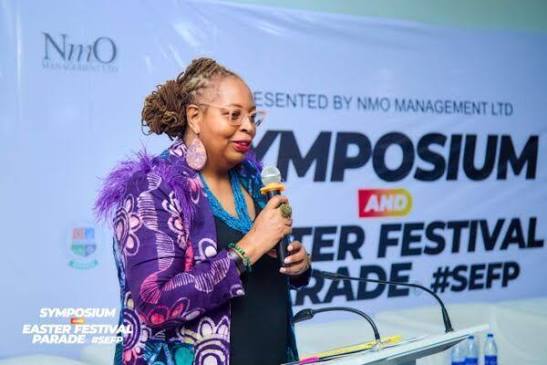
Dr. Ngozi Omambala, who has been reappointed Vice Chairman of NACCIMA’s Creative Economy Trade Group for the 2026/2027 tenure, is representing the group in the engagement with the University of Porto.
Her renewed appointment covers areas including investment opportunities in the creative economy, travel, tourism, hospitality and entertainment, as well as policy development and stakeholder engagement.
According to NACCIMA, the wider goal is to strengthen the connection between Nigerian creative businesses and domestic and international markets.
The partnership also reflects the growing recognition that Nigeria’s creative economy extends beyond musicians and actors. Film production, music events, fashion, tourism, visual arts and digital content support a much larger network of businesses and professionals, including producers, designers, technicians, marketers, lawyers, hospitality operators and other service providers.
For Nigerian creative entrepreneurs, international partnerships can provide opportunities for knowledge exchange, professional development and access to new commercial networks. However, the impact of the Nigeria–Portugal initiative will ultimately depend on how effectively the planned programmes translate into practical opportunities for businesses and creative professionals.
The next phase is therefore expected to focus on implementation rather than simply discussions. A joint work plan and pilot programmes could provide a clearer structure for cooperation between Nigerian and Portuguese institutions.
The development also comes as Nigeria continues to position its creative industries as an important part of the country’s wider economic and cultural growth.
With Afrobeats, Nollywood, Nigerian fashion and other creative exports already attracting international audiences, efforts to build stronger commercial structures around those industries could create new opportunities for entrepreneurs and professionals.
The Nigeria–Portugal partnership now enters a more practical stage. Its progress over the coming months will show how international cooperation can translate into new connections, investment opportunities and market access for Nigeria’s creative sector.